Compare Local Contractors for Tree Pruning Services
Compare local contractors for tree pruning to define project scope, verify experience, and set clear expectations for a successful job.
Tree pruning services generally encompass a range of tasks aimed at maintaining the health, safety, and aesthetic appeal of trees on a property. This work can include removing dead or diseased branches, shaping the canopy for better growth, reducing the size of overgrown limbs, and addressing potential hazards such as weak or hanging branches. Proper pruning helps promote healthy development and can prevent damage caused by storms or high winds. When planning this type of work, property owners should clearly define the scope to ensure all necessary tasks are addressed and expectations are aligned with the service provider.
Establishing a well-defined scope is essential to avoid misunderstandings and ensure the work meets specific needs. It’s important to specify which trees or areas require attention, the type of pruning desired, and any safety considerations. Documenting these details in writing creates a clear reference point for both property owners and contractors, reducing the risk of miscommunication. Clarifying the scope also helps property owners compare offers from different local contractors more effectively, as they can evaluate how each provider plans to approach the work and whether their proposed methods align with the property owner’s goals.
When comparing local contractors for tree pruning, property owners should consider experience, reputation, and the scope of services offered. Verifying that contractors have relevant experience with the types of trees on the property can provide confidence in their ability to deliver quality results. It’s also helpful to review any available references or reviews, and to ask how each service provider plans to approach the work based on the defined scope. Ensuring that contractors provide detailed written proposals can aid in making an informed decision, allowing property owners to select experienced professionals who understand their specific pruning needs and can deliver consistent, reliable work.
Compare local contractors by outlining your priorities, verifying experience, and defining scope clearly in writing.
- Compare Contractor Qualifications - review the experience and credentials of local contractors to ensure they meet your project needs.
- Define Project Scope Clearly - specify the extent of pruning work to set clear expectations with service providers.
- Verify Work Experience - check references or past work to assess the reliability and skill of potential contractors.
- Document Agreements in Writing - ensure all project details, responsibilities, and expectations are confirmed in a written agreement.
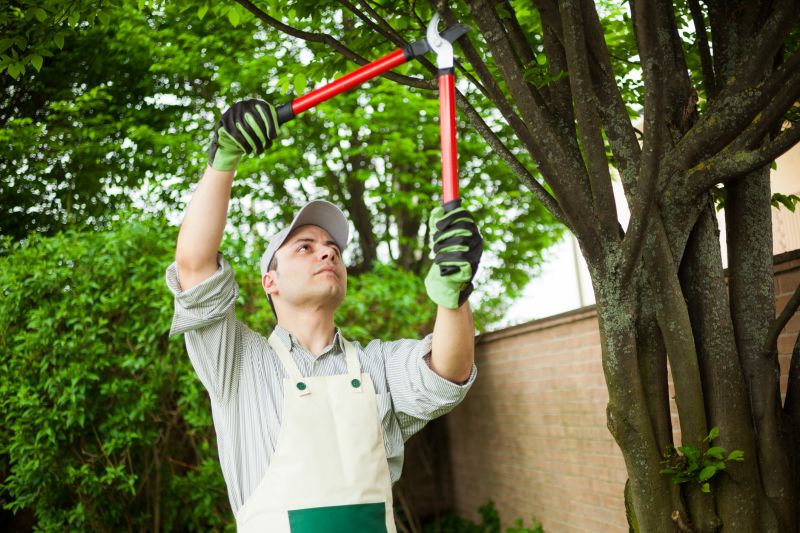
Before comparing local contractors for tree pruning, clearly define your project scope and verify their experience.
- Assess the experience and reputation of local contractors specializing in tree pruning to ensure quality work. - Look for service providers with a proven track record in pruning trees similar in size and species.
- Verify that scope of work is clearly defined and documented before work begins. - Ensure all pruning objectives, such as shaping, safety, or health, are explicitly outlined in writing.
- Check for references or reviews to gauge the reliability and professionalism of local contractors. - Gathering feedback from previous clients can help identify experienced and trustworthy service providers.
- Confirm that the pruning techniques used are appropriate for the specific tree type and condition. - Proper pruning methods are essential to maintain tree health and safety.
- Discuss and agree upon any necessary permits or compliance requirements with the service provider. - Clarify responsibilities related to regulatory adherence before work starts.
- Ensure the scope includes cleanup and disposal of pruned branches and debris. - Proper cleanup helps maintain the property’s appearance and safety after pruning.
Compare local contractors' experience and clarify scope to ensure clear expectations for tree pruning.
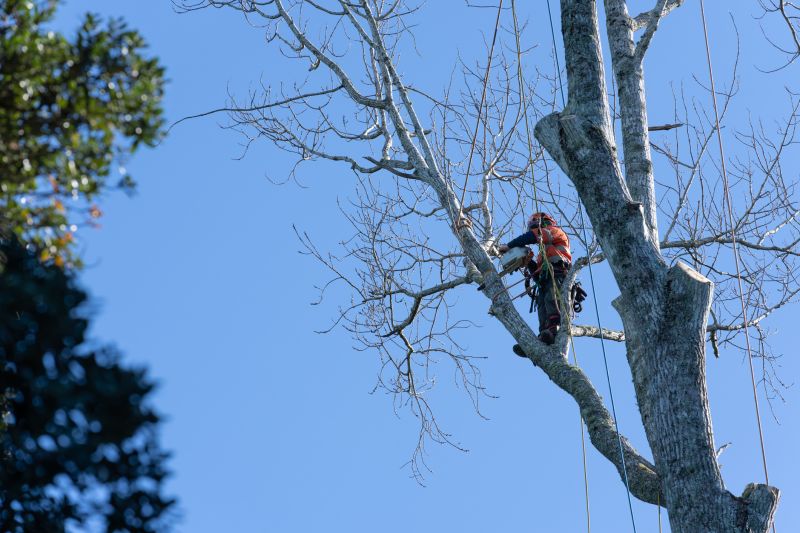
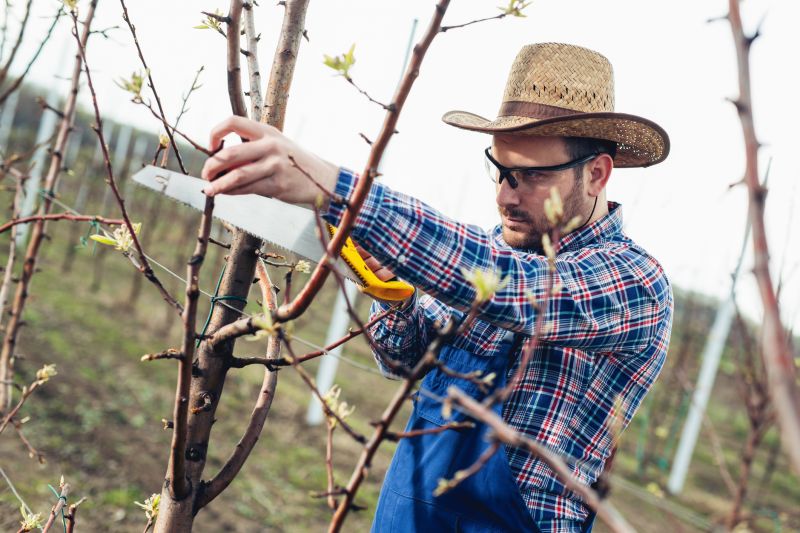
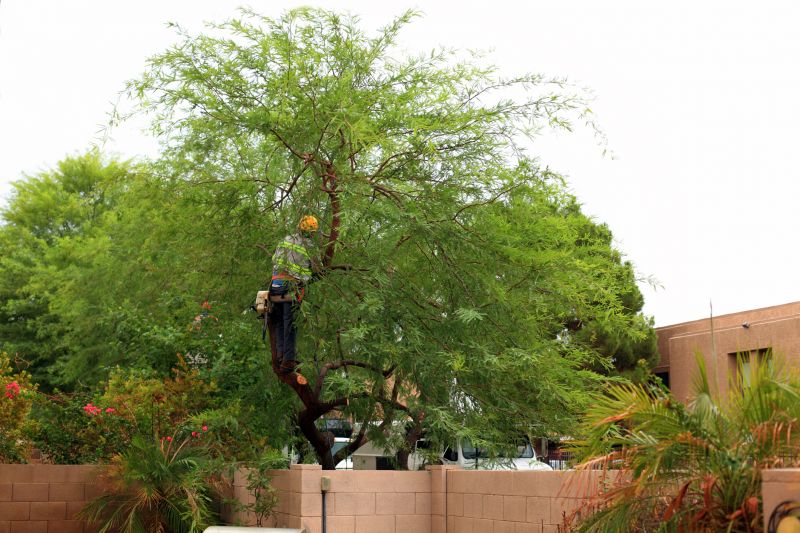
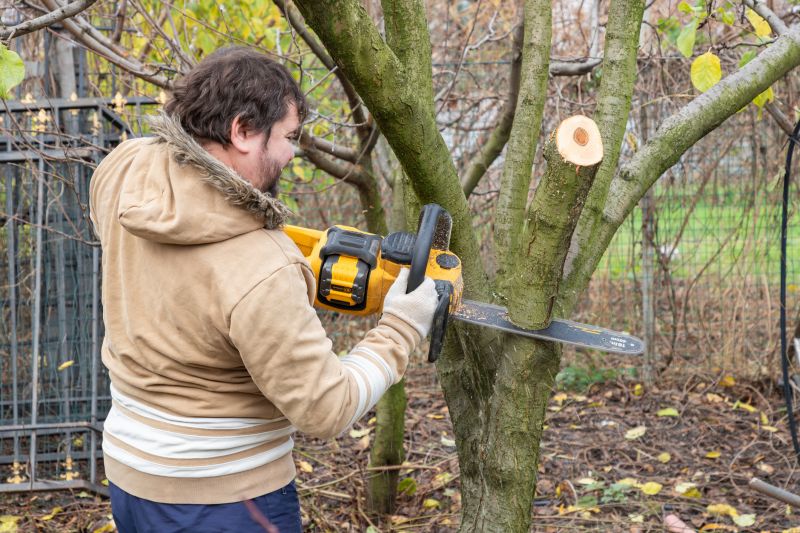
Learn how to compare local contractors for tree pruning by defining scope, verifying experience, and setting clear expectations.
- Define the scope of pruning tasks - clearly specify which trees or branches need trimming and the desired outcome.
- Identify experience levels of local contractors - verify that service providers have relevant experience with tree pruning projects.
- Establish safety and access requirements - outline any safety considerations or access limitations that could impact the work.
- Set expectations for pruning techniques and methods - determine preferred pruning styles and procedures to ensure consistency.
- Document all project details in writing - create a detailed scope of work to facilitate clear communication and comparison among service providers.
When comparing contractors for tree pruning, it is essential to consider their experience with similar projects. Service providers who have a history of working on trees of comparable species, sizes, and environments are more likely to understand the specific requirements and challenges involved. Inquiring about the types of trees they have pruned and the complexity of previous jobs can offer insight into their familiarity with different pruning techniques and safety considerations. This background can help ensure that the selected contractor has the practical knowledge needed to handle the unique aspects of the trees on the property.
A clear and detailed written scope of work is a crucial factor in evaluating potential contractors. The scope should specify which trees will be pruned, the methods to be used, and the desired outcomes, such as health maintenance, safety, or aesthetic enhancement. Service providers who can provide a comprehensive description of their approach demonstrate professionalism and transparency. Having a well-defined scope helps prevent misunderstandings and ensures that expectations are aligned before work begins, contributing to a smoother project process.
Verification basics are important when assessing local contractors for tree pruning. While licensing and certification are not the focus here, it is advisable to verify references or reviews from previous clients to gauge a contractor’s reliability and quality of work. Confirming that a contractor has a history of completing projects satisfactorily and maintaining good communication can reduce the risk of issues later on. Additionally, checking that the contractor adheres to safety standards and has appropriate insurance coverage can offer further peace of mind during the selection process.
Evaluating options without focusing on prices involves examining how well each contractor’s services match the specific needs of the project. Consider the clarity of their communication, the professionalism of their proposals, and their ability to articulate their approach in writing. It is also helpful to compare the level of detail provided about their methods and experience, as these can indicate their expertise and commitment to quality. By focusing on these aspects, homeowners can make informed decisions based on the suitability and reliability of local contractors, ensuring the chosen service provider is capable of delivering the desired results.
Ask contractors to provide written scope details to ensure clear expectations and consistent project understanding.
- Experience and Specialization - How can I verify a contractor’s experience with tree pruning projects similar to mine?
- Scope of Work - What specific pruning tasks are included and excluded in the contractor’s proposed scope?
- Work Approach - How do contractors plan to handle the pruning to ensure the health and safety of the trees?
- Written Agreement - What details should be documented in the scope of work to set clear expectations?
- Comparing Contractors - What questions should I ask to understand how different local service providers approach tree pruning projects?
What should I consider when comparing tree pruning contractors? It's important to review their experience, verify references, and ensure scope of work is clearly defined in writing to make an informed choice.
How can I define the scope of tree pruning work? Clearly specify which trees or branches need pruning, the desired outcomes, and any safety or access considerations to help contractors understand the project requirements.
Why is it helpful to verify a contractor's experience? Experience indicates familiarity with different tree types and pruning techniques, which can contribute to effective and safe pruning practices.
What details should be included in a written agreement with a contractor? The scope of work, specific tasks, safety measures, and any project expectations should be documented to ensure clarity and mutual understanding.
How can I ensure a contractor is qualified for tree pruning? Review their background, ask for references or examples of past work, and confirm they have relevant experience handling similar projects.
What is the benefit of comparing multiple contractors for tree pruning? Comparing different service providers allows for evaluating their expertise, scope offerings, and professionalism to find the best match for the project needs.
Understanding the key aspects of hiring contractors for tree pruning can help ensure the job aligns with specific needs. Visitors learned how to define the scope of work, verify the experience of service providers, and set clear expectations in writing. Comparing local contractors through a straightforward process allows for informed decisions and confidence in selecting the right professionals for the project.
Using the provided quote form makes it simple to explore and compare options among local contractors specializing in tree pruning. This approach supports finding qualified service providers who can meet individual requirements, helping to connect with trusted professionals in the area without commitments or obligations.